




PRODUCT
CATALOGUE

PRODUCT
CATALOGUE
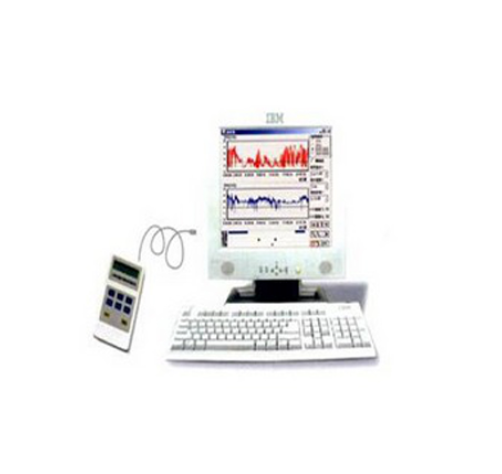

Impedance Monitor
This gastrointestinal tract 24-hour pH-impedance dynamic monitor is a high-tech product developed according to the current internationally recognized gold standard for diagnosing "gastroesophageal reflux". Ambulatory esophageal pH monitoring detects the presence and absence of gastroesophageal reflux and, specifically, acidic/non-acid reflux, and calculates the time and height of true esophageal exposure to reflux.
【Product Introduction】
Maida brand upper gastrointestinal tract 24-hour pH-impedance dynamic monitor is a high-tech product developed according to the current internationally recognized gold standard for diagnosing "gastroesophageal reflux". Ambulatory esophageal pH monitoring detects the presence and absence of gastroesophageal reflux and, specifically, acidic/non-acid reflux, and calculates the time and height of true esophageal exposure to reflux.
【Product Structure】
1 upper gastrointestinal pH-impedance dynamic monitor
pH-Impedance Catheter Electrode 1 pcs
Instrument sheath 1pcs
Power adapter (cable included) 1 set
1 battery charger base
Lithium battery 2pcs
Upper Gastrointestinal pH-Impedance Analysis System CD-ROM 1 tray
【Product Advantages】
Ø The product is simple to operate, easy to learn and easy to use
Ø Catheter diameter for patient comfort
Ø There is no need to stop the drug during the monitoring period
Ø The height and time of regurgitation can be accurately detected
Ø Acid reflux, weak acid reflux, weak alkali reflux and liquid, gas and mixed reflux can be identified
Ø Accurately identify the direction of movement of esophageal contents
Ø It can achieve comprehensive monitoring of esophageal function and the nature and composition of gastroesophageal reflux for more than 24 hours
Ø Accurate diagnosis of the disease can be made through scientific data analysis
【Clinical Value】
1. Diagnose reflux and accurately judge acidic/non-acid reflux
2. Research on gastric and esophageal reflux disease (GERD).
3. Applicable to the research of other diseases related to reflux. (e.g., COPD, bronchitis, apnea, and asthma respiratory disorders).
4. Monitoring of gastric acid secretion function.
5. Medical treatment evaluation.
Ø Identify the factors that clinically induce and exacerbate GERD, such as dietary habits, exercise and postural changes.
Ø The actual efficacy of different drugs on GERD can be judged and compared.
Ø Carry out pharmacological research on the use of acid-suppressing drugs, which can guide medical staff to use drugs rationally and choose the best drug dose, dosing time and course of treatment.
Ø It is used to evaluate the effect of surgical and endoscopic anti-reflux surgery and promote the improvement of surgical plan.
【Precautions during monitoring】
Ø It is recommended that patients maintain normal daily activities during the examination to make the examination more physiological
Ø Patients' meals, daily activities and sleep should be standardized
(a) Maintain an upright position during the day and be able to sit, stand or walk
(b) Sleep is required when in the recumbent position at night
(c) Sleep with your face up
Ø No smoking and drinking
Ø It is forbidden to bathe when carrying the detector


 Copy product links
 Long by picture save/share
INQUIRY


Add Successfully



Guangzhou CareTok Medical Devices Co., Ltd is a leading provider in China,specializing in one-stop medical equipment solutions.
© Copyright - 2024 Caretok Medical All Rights Reserved.

ABOUT
SERVICE
PRODUCT CATEGORY
CONTACT
Mob: +86 18688884782
E-Mail:market@caretokmedical.com
Corporate Advantage
Adress:3/F, No. 12, Hengxiang on Hang Kou Road in Panyu District, Guangzhou.
NEWS
© Copyright - 2024 Caretok Medical All Rights Reserved.SITEMAP
